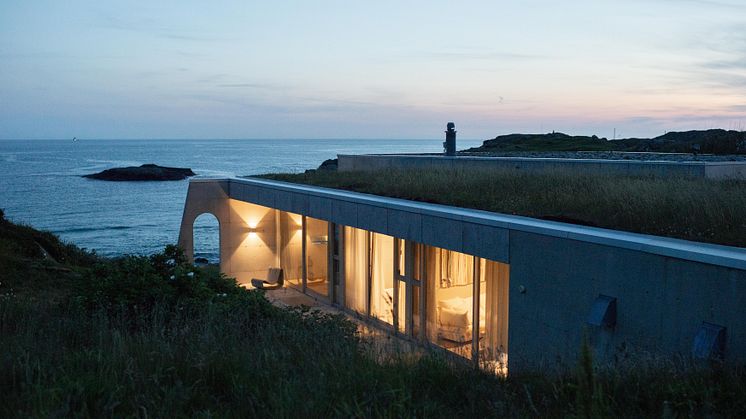
Nordic architecture has generally been intently tied to its atmosphere. Historically, builders in Norway, Sweden, Denmark, Finland, and Iceland relied on all-natural components like wood, stone, and clay to produce houses that may withstand harsh climates. These selections had been not just practical but deeply cultural, embedding regard for mother nature and Local community into layout. Classic types—like turf-roof houses, log cabins, and coastal fishing huts—mirrored a philosophy of simplicity, toughness, and harmony Together with the landscape. Let's check it out with me, Gus Woltmann.
The Increase of Sustainable Innovation
To the Nordic nations, sustainability is not a stylish insert-on but a continuation of extended-standing cultural values that respect the purely natural entire world. The region’s architecture has always emphasised sturdiness, resourcefulness, and efficiency, formed by necessity in climates where by winters are very long and sources were Traditionally scarce. In modern day times, as world wide conversations on local climate adjust and environmental obligation intensified, Nordic architects In a natural way discovered them selves on the forefront of sustainable innovation.
One of the hallmarks of the evolution continues to be the embrace of Electricity-effective setting up ideas. Principles like passive residence design, which target reducing Strength consumption by way of insulation, airtight design, and organic warmth recovery, ended up quickly adopted and tailored through the region. These techniques resonate with older traditions of conserving warmth and daylight but at the moment are executed with Superior systems like triple-glazed Home windows, good Vitality devices, and solar integration.
A particularly noteworthy development would be the revival and reinvention of Wooden as being a Principal design content. Traditionally, wood was plentiful and commonly used in Nordic architecture, from log cabins to stave churches. Nowadays, improvements in cross-laminated timber (CLT) along with other engineered Wooden products and solutions have allowed architects to build tall, modern-day, and fireplace-Secure structures with negligible carbon footprints. This not just lowers reliance on concrete and metal—both main resources of worldwide emissions—but in addition reconnects communities with a cloth deeply rooted of their cultural identity.
Assignments like Norway’s Powerhouse Brattørkaia, which makes additional energy than it consumes more than its lifetime, or Sweden’s Sara Cultural Centre, one of several tallest timber skyscrapers on the earth, emphasize how innovation and custom merge. These projects are not only functional and sustainable but additionally aesthetically aligned With all the Nordic dedication to gentle, openness, and simplicity.
Outside of products and engineering, innovation in Nordic architecture also extends to urban design and style. Metropolitan areas like Copenhagen and Helsinki are world-wide leaders in sustainable setting up, prioritizing pedestrian-helpful layouts, built-in cycling infrastructure, and substantial community transit. These design and style choices lessen emissions, really encourage Local community interaction, and help healthier lifestyles—demonstrating that sustainability is just as much about social properly-currently being as it really is about environmental duty.
In short, the increase of sustainable innovation in Nordic architecture is a lot less a couple of break from tradition and more details on a seamless continuation of it. By combining cultural heritage with reducing-edge technologies, the Nordic product demonstrates how architecture is often equally forward-seeking and deeply respectful of its roots—setting a world illustration of how to create to get a upcoming wherever human progress and ecological responsibility go hand in hand.
Legendary Examples
The philosophy of Nordic architecture is best comprehended not only in theory but in the created spaces that embody it. Through the area, architects have created legendary functions that marry common values of simplicity and respect for nature with slicing-edge approaches to sustainability. These structures stand as physical testaments to how structure can serve both of those cultural identification and ecological responsibility.
One particular striking illustration may be the Oslo Opera Dwelling in Norway, made by Snøhetta. Its sloping, glacier-like structure invites the general public to walk throughout its roof, breaking down barriers involving developing and natural environment. Built with domestically sourced supplies for instance marble and oak, the opera home also incorporates Electricity-efficient programs that reduce very long-term intake. It demonstrates the Nordic ethos of accessibility—an art Place that belongs not just to elite audiences but to your broader community.
In Sweden, the Sara Cultural Centre in Skellefteå represents a revolution in substance innovation. At 20 stories tall, it is without doubt one of the tallest timber buildings on this planet, crafted completely from regionally harvested Wooden. Applying Sophisticated cross-laminated timber (CLT), the framework radically reduces the carbon footprint in contrast to traditional metal and concrete design. It is a bold statement that reimagines wood—not being a relic of custom but as a contemporary solution to sustainable urban living.
Denmark gives A different influential product with the CopenHill waste-to-Power plant in Copenhagen. Created by Bjarke Ingels Group (Massive), the power don't just transforms squander into clean up energy for tens of A large number of houses but in addition doubles being a leisure hub, that includes a rooftop ski slope and climbing wall. This blending of utility, sustainability, and community engagement is quintessentially Nordic, demonstrating that infrastructure by itself can boost quality of life.
Iceland’s Harpa Concert Hall and Conference Centre in Reykjavik is another standout. Developed in collaboration with artist Ólafur Elíasson, the glass façade is inspired by basalt rock formations, merging art, mother nature, and architecture. Beyond its Visible brilliance, the building employs geothermal heating—a nod to Iceland’s ample renewable means—illustrating how custom and native Strength align seamlessly in present day layout.
These examples highlight a consistent topic: Nordic architecture is not really about building monuments for admiration by yourself but about crafting spaces that Reside with their atmosphere and enhance Group very well-staying. No matter whether throughout the reinvention of wood, the transformation of squander into Electricity, or even the democratization of cultural spaces, these jobs establish that architecture might be iconic not mainly because it imposes by itself, but since it harmonizes sustainability with human experience.
Group and Cultural Continuity
At the center of Nordic architecture lies greater than sustainability and innovation—it is about making spaces that maintain cultural identification and foster a strong perception of Neighborhood. Unlike purely useful or industrial jobs, a lot of Nordic styles intentionally reflect traditions, values, as well as every day rhythms of nearby everyday living. This cultural continuity makes sure that even the most ahead-thinking properties stay grounded during the social fabric in their surroundings.
Among the list of defining principles is openness and inclusivity. Nordic societies price public entry to shared Areas, and this is mirrored in architecture. Town squares, libraries, cultural facilities, and also important landmarks are frequently meant to be approachable and participatory as opposed to exceptional. For example, Norway’s Oslo Opera Household was built as much for people today to walk on and communicate with as to deal with performances. In this way, architecture strengthens civic identity even though encouraging people to interact with artwork and society as part of lifestyle.
Custom also performs a job in shaping continuity. Nordic architects frequently draw on vernacular varieties, materials, and spatial arrangements which were Component of the location for centuries. Wooden constructions, steep gables, and The combination of purely natural light usually are not basically aesthetic decisions—they evoke a cultural memory of resilience in severe climates along with a respect to the landscape. Modern-day timber jobs like Sweden’s Sara Cultural Centre represent a continuation of these traditions, combining nearby components with slicing-edge approaches.
Sustainability alone is framed not merely being an environmental obligation but being an extension of cultural obligation. In countries like Iceland, where geothermal Power is central, or Denmark, with its emphasis on bicycle-pleasant urban design read more and style, architecture embodies Neighborhood values of stability with nature and collective nicely-getting. Buildings are created not just to minimize influence but to symbolize continuity with cultural values that prioritize harmony in between humans and their environment.
Moreover, Nordic architecture nurtures social relationship by building multifunctional Areas the place men and women In a natural way Get. Neighborhood centers double as performance venues; schools functionality as hubs for night activities; and also infrastructure projects like Copenhagen’s CopenHill invite recreation together with utility. These Areas blur boundaries among function, play, and Discovering, reflecting a lifestyle in which community cohesion is integral to Standard of living.
Eventually, Nordic architecture just isn't about preserving custom for a static relic but about weaving it into the long run. By integrating cultural values into design, it makes certain that structures are not isolated objects but dwelling areas of communities—continuing tales of resilience, inclusivity, and shared identification.
A Model for the longer term
Nordic architecture gives more than regional inspiration—it has grown to be a global product for a way to equilibrium human demands, cultural values, and environmental responsibility. Within an era wherever cities throughout the world are going through rapid urbanization, weather challenges, and social fragmentation, the Nordic tactic demonstrates that it is feasible to innovate without the need of dropping sight of custom, community, or ecological stewardship.
Among the list of most significant areas of this model is its holistic philosophy. As an alternative to treating architecture being a different self-discipline centered solely on aesthetics or engineering, Nordic layout integrates sustainability, society, and social nicely-staying into each stage of enhancement. In the sourcing of renewable resources like timber, to energy-effective devices run by wind or geothermal Power, to your generation of spaces that foster inclusivity and accessibility, the Nordic strategy is inherently interdisciplinary. This holistic point of view presents lessons for other nations struggling to reconcile progress with sustainability.
Similarly vital will be the scalability of Nordic ideas. When legendary jobs like Norway’s Oslo Opera Residence or Denmark’s CopenHill attract world wide notice, the real strength lies in the way in which these Concepts permeate day-to-day Areas. Educational facilities designed with abundant all-natural mild, residential complexes that motivate communal residing, and bicycle-helpful metropolitan areas are not simply elite showcases—They can be lived realities for standard persons. This will make the Nordic product adaptable for communities all over the world, from developing city facilities to experienced megacities.
A different very important element could be the extensive-expression way of thinking. Nordic international locations identify that architecture is just not just for these days but for generations to come. Projects are evaluated don't just on rapid Charge or visual attraction but additionally on durability, environmental impact, and social benefit about a long time. This forward-thinking standpoint contrasts sharply with limited-phrase, revenue-pushed developments widespread in lots of parts of the whole world. By emphasizing longevity and resilience, Nordic architecture sets a normal for accountable preparing during the deal with of world crises like climate transform.
Eventually, the Nordic model reminds us that architecture is about in excess of structures—it is about shaping how persons Dwell, connect, and prosper. It shows that style and design rooted in sustainability and tradition can create metropolitan areas that are not only successful but also humane, inclusive, and inspiring.
As the whole world queries for pathways to sustainable enhancement, Nordic architecture stands as equally a blueprint along with a beacon. It proves that magnificence, tradition, and accountability can coexist—and that our created atmosphere can function a bridge between heritage and also a sustainable long term.